
Wooden eyewear
Where luxury
takes root.
Handcrafted wooden sunglasses, carved from responsibly sourced walnut, rosewood, and oak, and finished by hand.
See the collection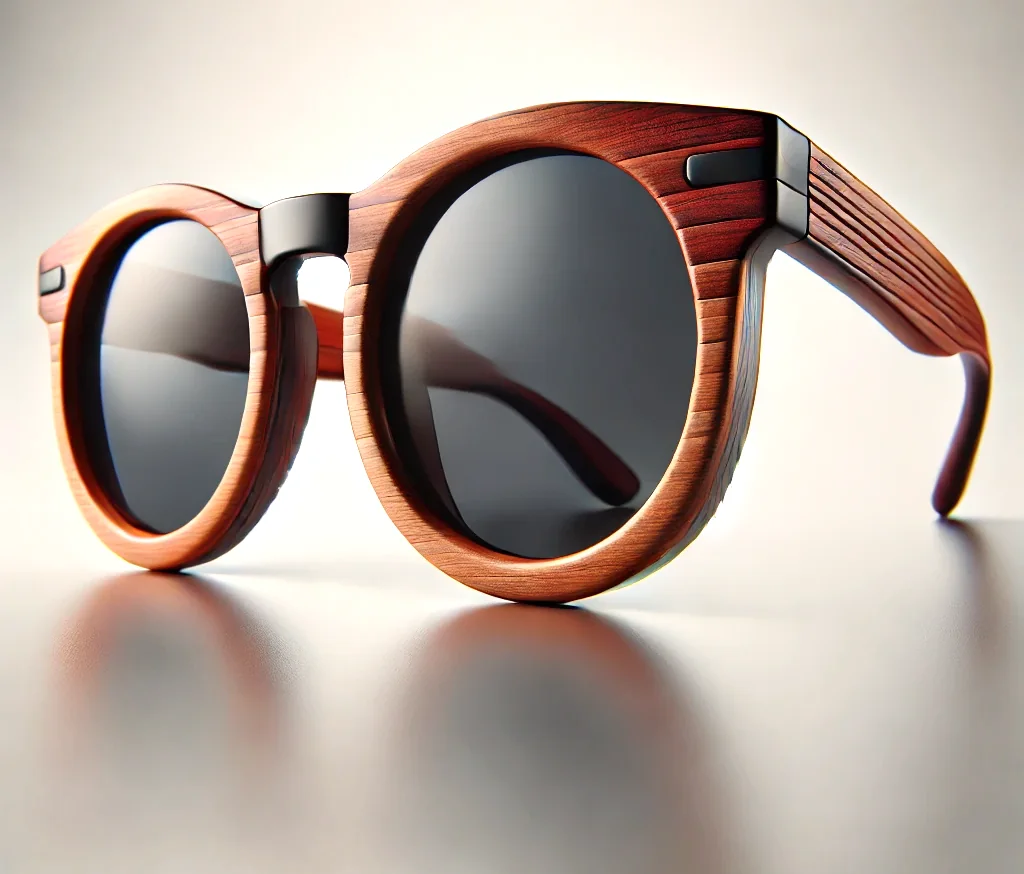
About
Timeless elegance,
sustainable innovation.
TreSuns crafts its sunglasses from the finest responsibly sourced wood, transforming a natural material into something singular. Each frame keeps the grain it was cut from, so no two pairs are quite alike.
A connection to nature, a celebration of craftsmanship, and a statement of enduring style.
Every pair reflects the same artistry and precision, from the richness of the grain to the premium lenses set within it. For those who seek distinction in every detail, TreSuns offers more than eyewear.
Collection
Three frames, three hardwoods.
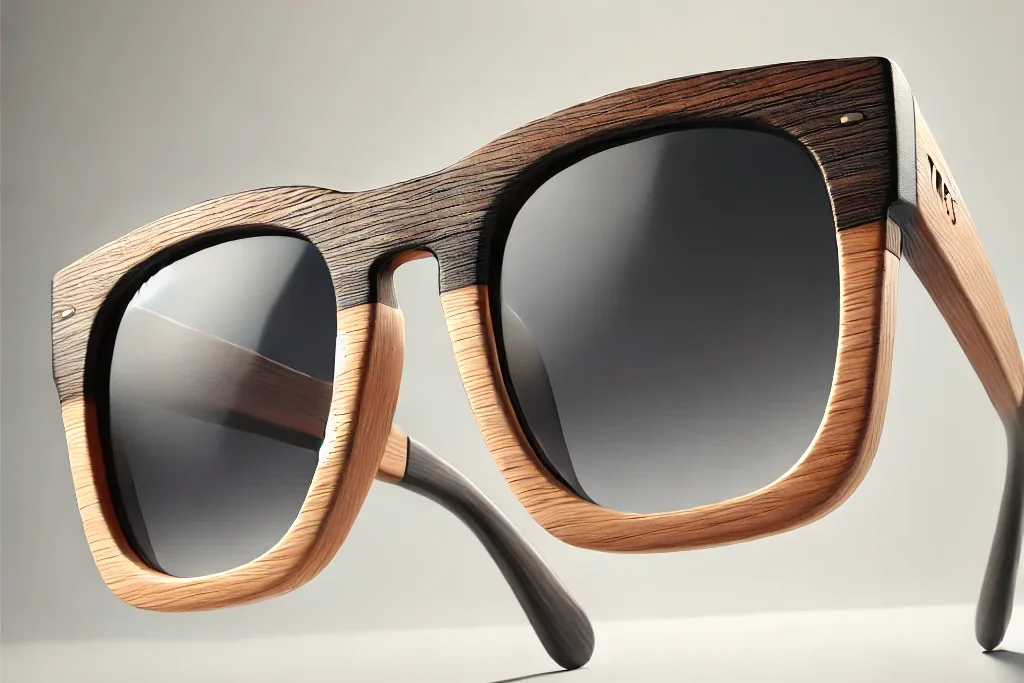
The Monarch
$250
Oak and ash
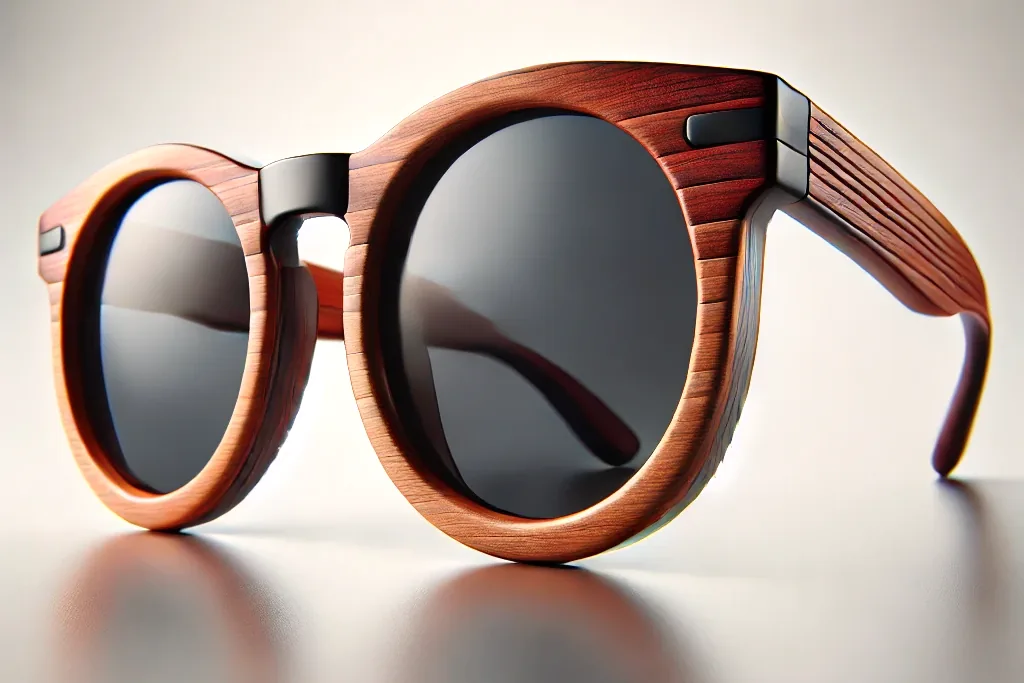
The Voyager
$280
Rosewood
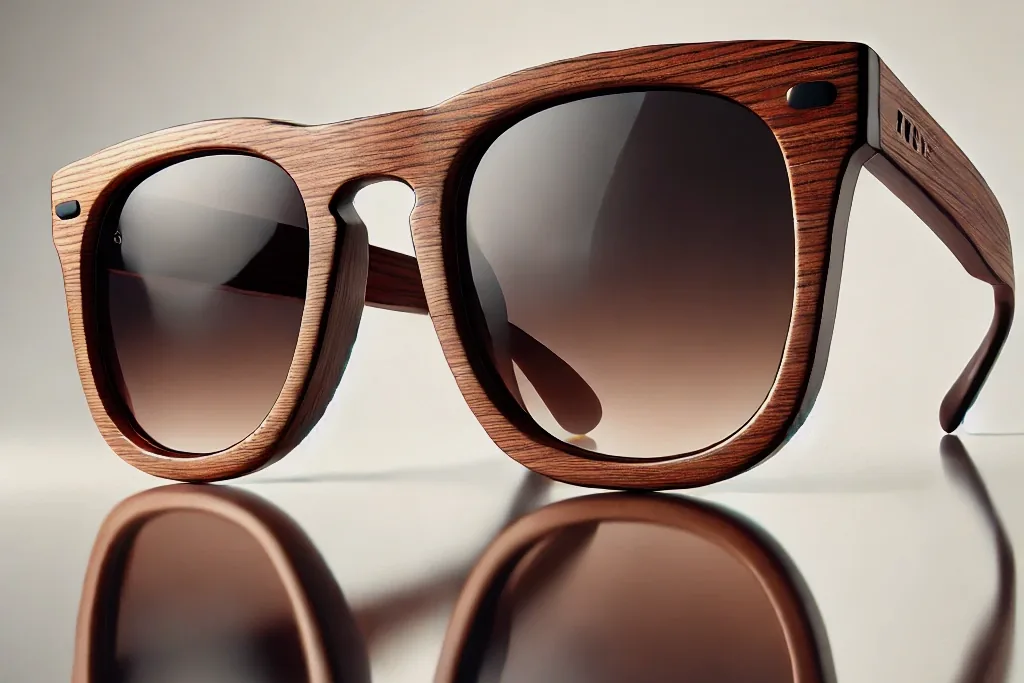
The Legacy
$300
Walnut
The wood
Walnut, rosewood, and oak.
We cut frames from three hardwoods, chosen for how they behave under a blade and against skin rather than for how they photograph.
Walnut
Dark, even, and close-grained. It darkens a shade with wear and takes an oil finish better than any wood we cut.
Rosewood
Dense and deep red-brown, streaked near-black. The heaviest of the three, and the most figured — no two blanks match.
Oak and ash
Paired pale against dark. Open-grained and light in the hand, with the ray fleck oak is known for running across the brow.
Every pair
Polarized lenses, stainless hardware.
- Lenses
- Polarized, UV400
- Frame
- Solid hardwood, never veneered
- Hinges
- Stainless steel
- Finish
- Hand-rubbed oil
Care
How to care for wooden sunglasses.
Keep them out of standing water
Wood is porous. A wipe with a barely damp cloth is fine; a soak, a dishwasher, or a long swim is not. Dry them with a soft cloth rather than leaving them to air-dry.
Heat is the real enemy, not scratches
A closed car in July will do more damage than a year of daily wear. Sustained heat drives moisture out of the grain, and wood that dries unevenly moves.
Feed the finish once or twice a year
A drop of food-safe mineral or linseed oil on a lint-free cloth, worked along the grain and buffed off, restores the depth an oil finish loses to skin and sun.
Store them closed, in a case
Resting a pair lens-down on the brow puts the load on the hinges. A hard case also spares the frames the slow abrasion of a bag.
Questions
Common questions about wood frames.
- Are wooden sunglasses durable?
- Hardwood handles daily wear as well as acetate, but it fails differently. It shrugs off the scuffs that dull a plastic frame, and it dislikes heat and standing water. Treat a pair the way you would a good wooden handle rather than a phone case.
- Is the wood solid, or a veneer over plastic?
- Solid hardwood, cut and laminated in layers so the grain runs against itself and the frame holds its shape. Nothing here is a printed pattern or a veneer skin over an injection-moulded core.
- Do wooden sunglasses float?
- That depends entirely on the wood and the hardware. Frames built to float are usually bamboo or cork. A dense hardwood carrying steel hinges and polarized lenses generally will not — assume yours sink, and keep them out of the surf.
- Why does every frame look different?
- Because the grain is not a finish applied to the frame, it is the frame. Each pair is cut from a different part of a different board, so figure, colour, and the way light moves across the brow are particular to that pair and cannot be repeated.